
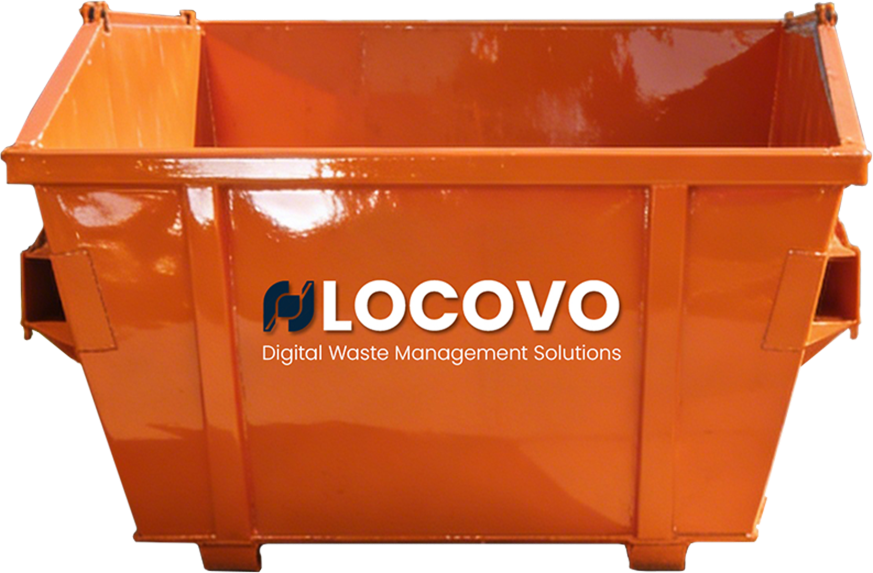
Skip sizes are usually measured in cubic yards. As a rough guide, one cubic yard is about the size of two standard washing machines.
The right skip depends on the amount of waste, the type of material, and where the skip will be placed.
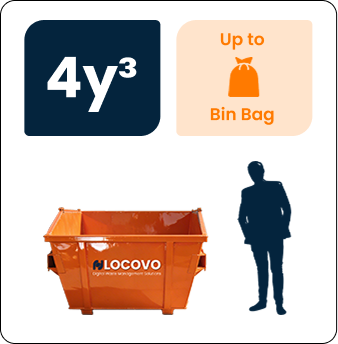
A 4 yard skip is a compact option for smaller domestic jobs. It is commonly used for garden waste, bathroom rip-outs, small DIY projects, and garage clearances.
It is a good choice when space is limited or when there is not enough waste to justify a larger skip.
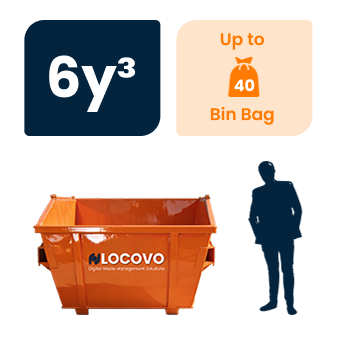
A 6 yard skip is one of the most commonly booked sizes. It offers a good balance between capacity and practicality, making it suitable for home improvements, kitchen refits, and general building waste.
It is often the best starting point for customers who are unsure which size to choose.
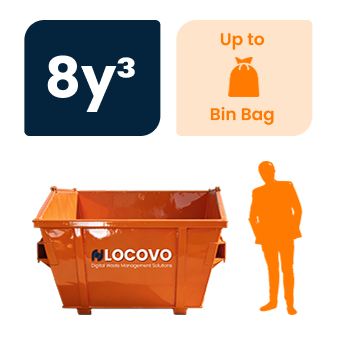
An 8 yard skip is useful for larger clearances, renovation work, bulky waste, and ongoing trade projects. It provides extra capacity without moving into very large commercial skip territory.
For heavier materials, such as soil, rubble, hardcore, or bricks, always check weight limits before booking.
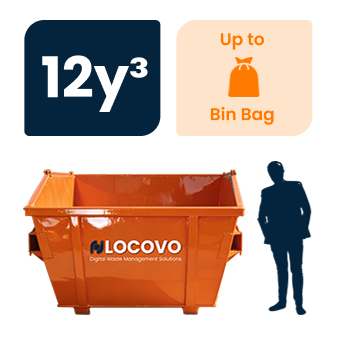
A 12 yard skip is suited to large amounts of light or bulky waste. It is commonly used for commercial clearances, large house clear-outs, office refurbishments, and packaging waste.
This size is not always suitable for very heavy waste, so customers should check before filling it with soil, rubble, or hardcore.
A 6 yard skip is often the most popular choice for domestic and trade jobs because it suits many common projects.
Heavy waste such as rubble, soil, bricks, and hardcore may need a specific skip size due to weight limits.
Yes. Waste should not be loaded above the sides of the skip. Overfilled skips may not be collected.
Small clearances may suit a 4 or 6 yard skip. Larger clearances may need an 8 or 12 yard skip.